From handling to conveying, from stacking to cut-to-length — a full range of self-developed equipment.
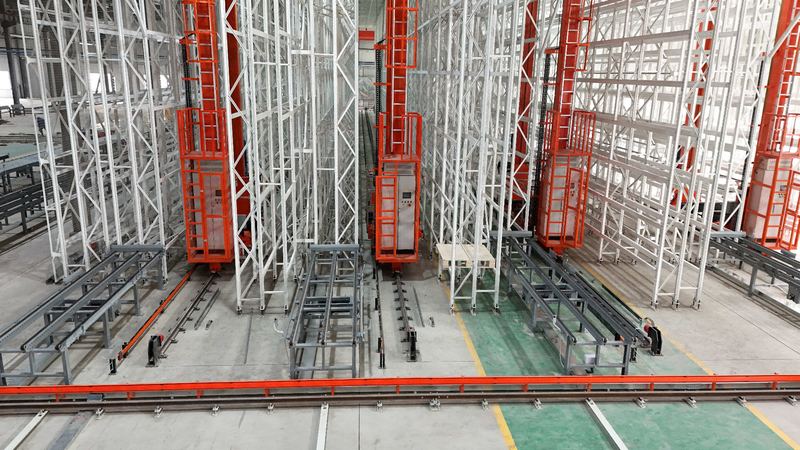
Core equipment for automated warehouses: automated storage and retrieval, efficient and reliable.
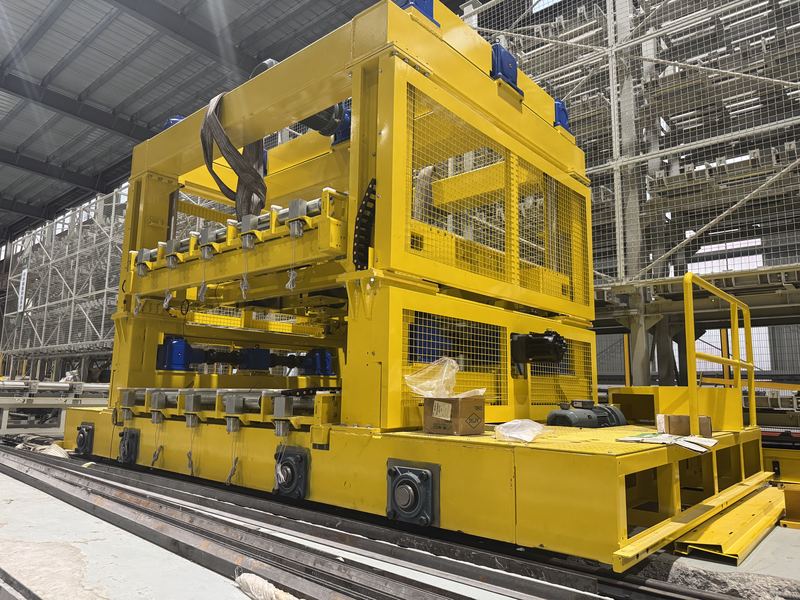
Rail-guided handling with precise positioning, suited to multiple load scenarios.
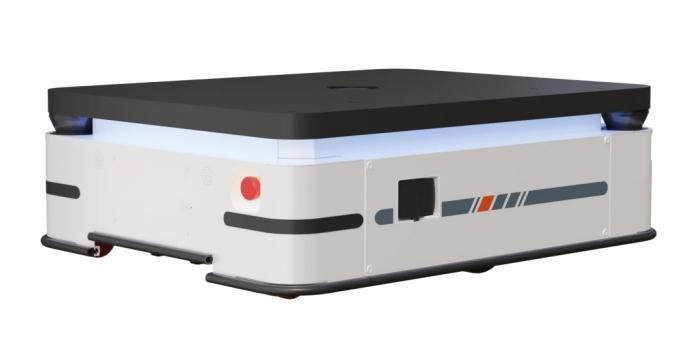
Automated guided handling for flexible logistics and agile dispatching.
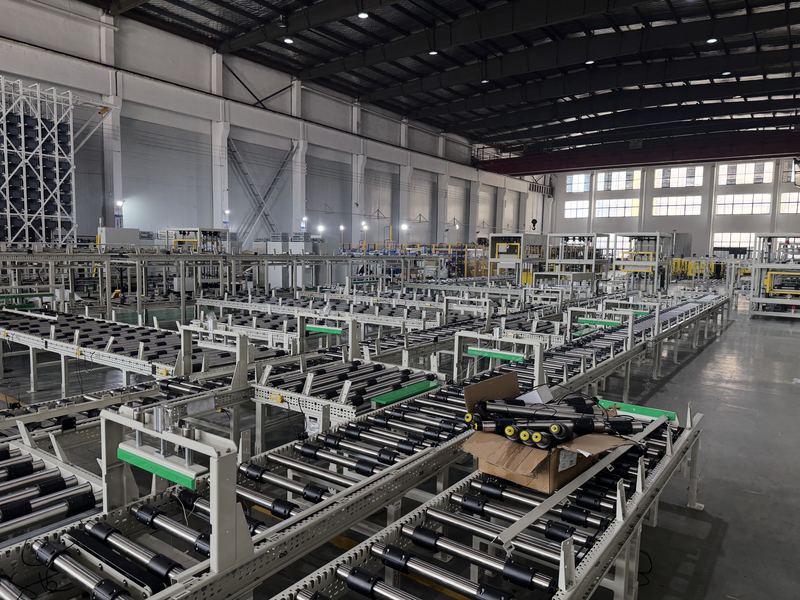
Pallet conveyors, roller conveyors and chain conveyors for efficient material flow.
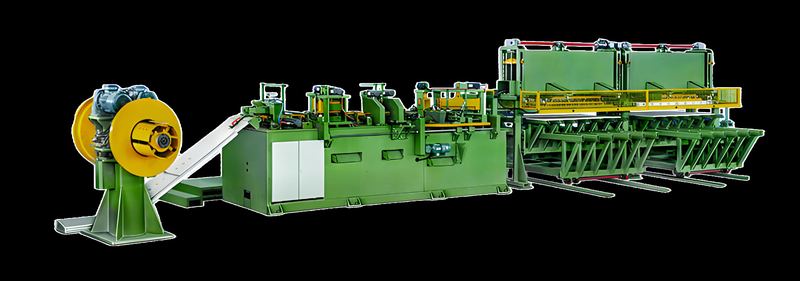
Cut-to-length equipment for precise shearing and conveying of silicon steel sheets and other materials.
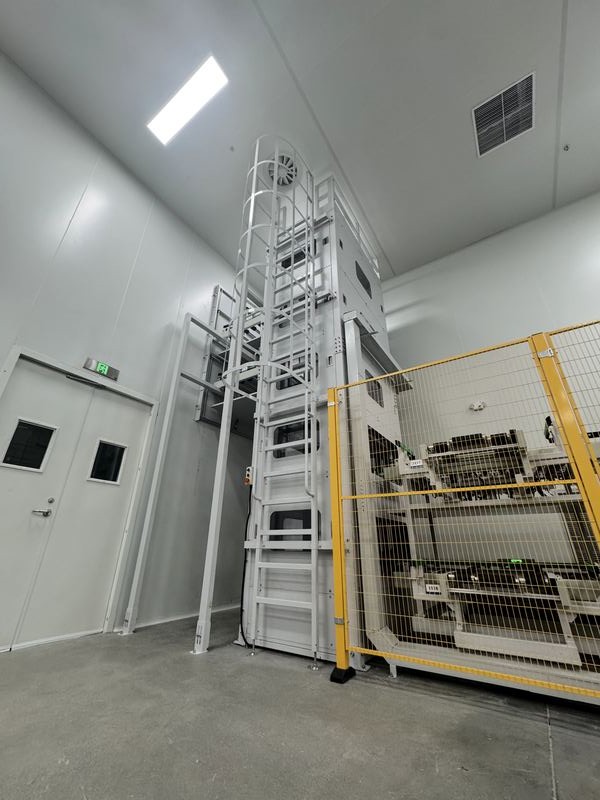
Vertical conveying for material flow across multiple stacking levels.
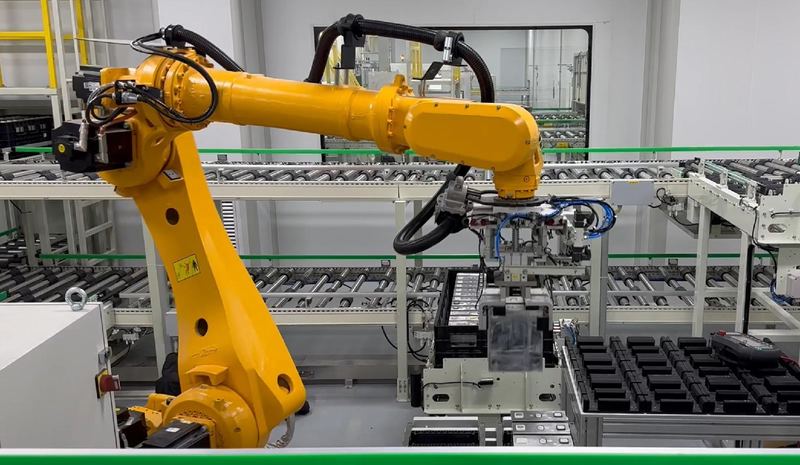
Robots working in concert with conveyor lines for automated depalletizing and palletizing.
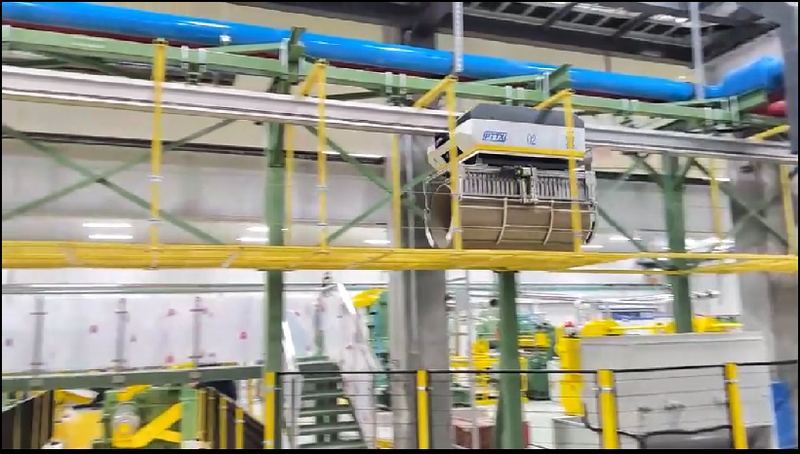
An overhead conveying system that saves floor space and raises production line efficiency.
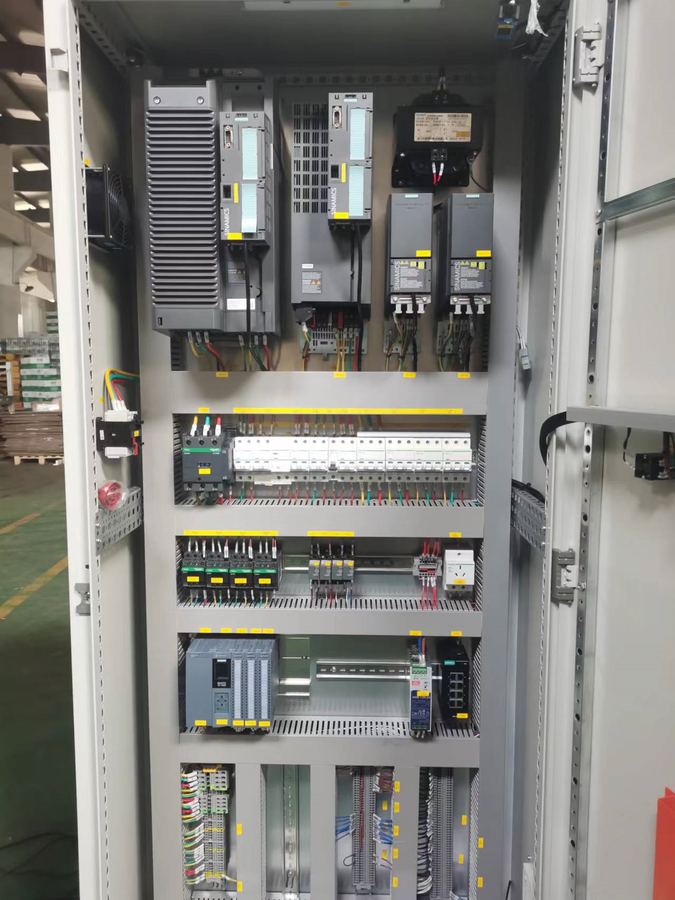
The electrical control system is the execution core of the equipment in a logistics system and is independently developed by our company. It connects upward to the logistics host computer system to receive material transport instructions, and downward to the conveying equipment to drive the underlying devices, detect and identify materials, and complete process control and information transfer during material transport.
Standardized data modules · Standardized drawings · Standardized reports · Standardized electrical control program framework · Standardized data acquisition interfaces
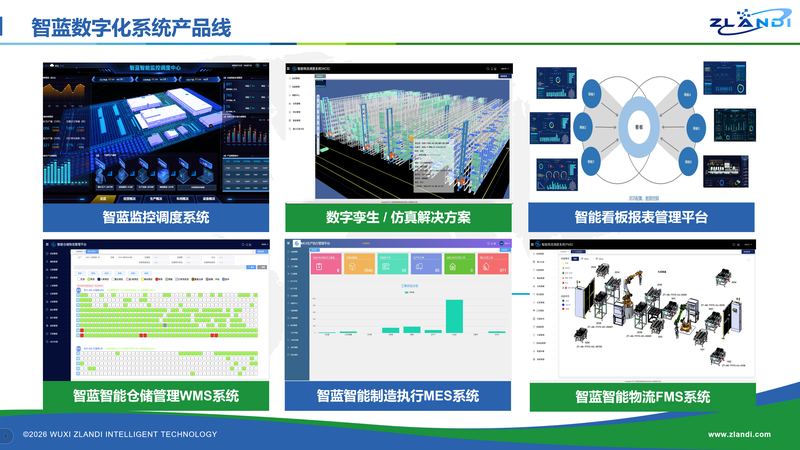
Software systems covering the entire flow of warehousing, dispatching, manufacturing, quality and knowledge.
WMS — intelligent warehouse management platform with precise inventory control.
WCS — equipment dispatching and control for automated warehouses.
TPM — full lifecycle equipment maintenance management.
EAP — equipment data acquisition and automated control.
MES — shop-floor manufacturing execution and production control.
QMS — quality management and traceability.
KBS — enterprise knowledge capture and reuse.
FMS — flexible intelligent logistics dispatching.
The Zlandi manufacturing operations management platform builds digital twin and simulation capabilities for the digital factory.
Digital twin technology makes production systems visible, predictable and optimizable, supporting decision-making for factory planning and operations.